

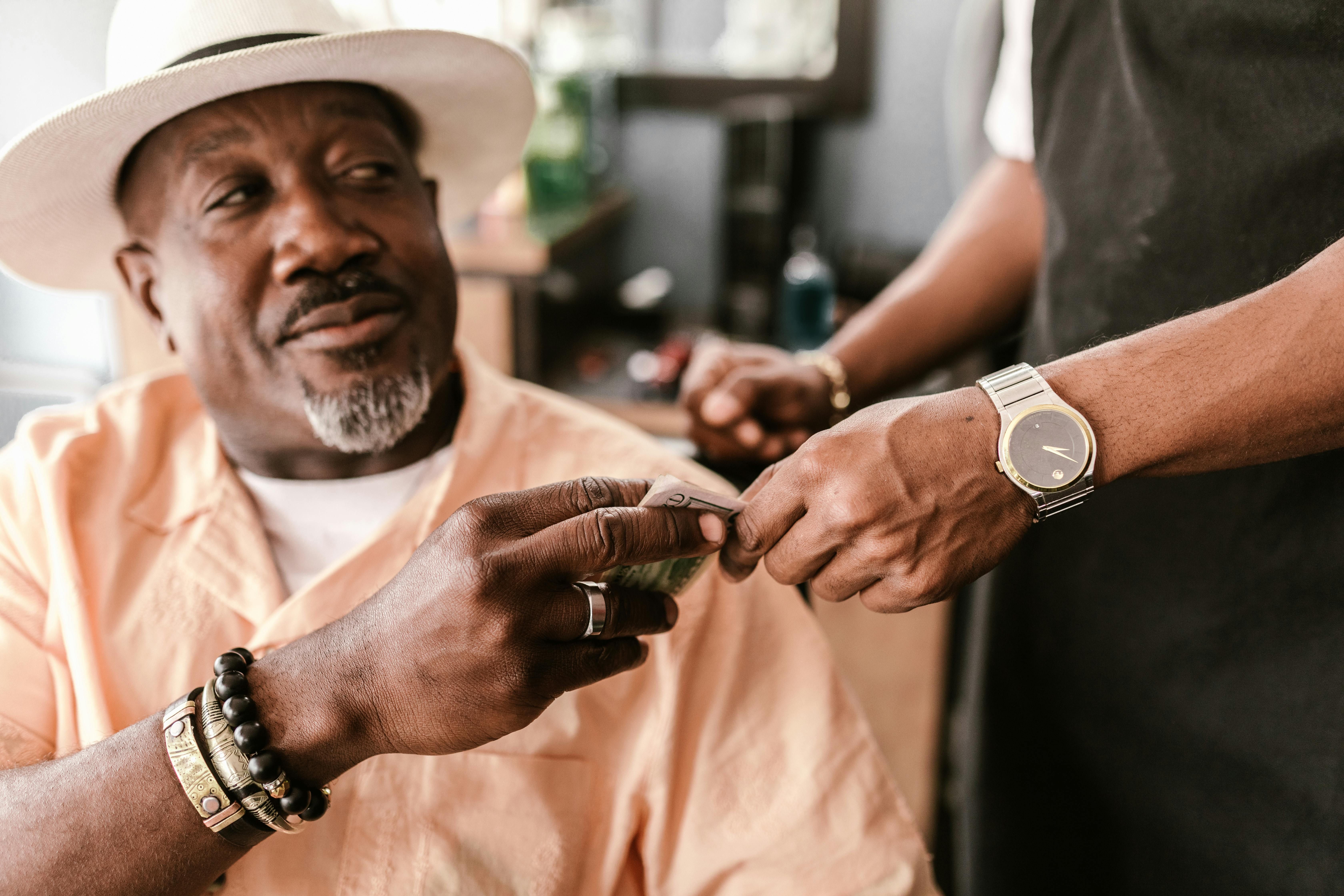


An old saying in many Nigerian homes is, "One good turn deserves another." Long before mobile banking, QR codes, and instant transfers, appreciation was woven into our daily interactions.
Sometimes it was a handshake with folded naira notes hidden inside after an excellent service was rendered by the waitress or a little extra was added to a bill, and other times it was simply, "God bless you."
But as Nigeria becomes increasingly cashless, people still want to appreciate good service even without cash, which is why conversations about digital tipping are becoming more important than ever.
What Is Tipping?
Tipping is the act of voluntarily giving money to someone in recognition of exceptional service, effort, or hospitality. A tip is not an obligation, but rather it is appreciation in action, where a customer says:
I noticed your effort.
You made my experience better.
Thank you.
Tipping has become part of how people reward excellent services across the world, but in Nigeria, tipping culture remains informal, inconsistent, and often misunderstood, even while tipping already exists in many forms.
The Nigerian Relationship With Tipping
Nigeria is a country built on relationships because we appreciate warmth and value respect.
We remember people who go the extra mile, and that is why many Nigerians naturally tip in places such as restaurants, hotels, bars and lounges, hair salons and barbershops, event venues, and delivery services.
The challenge is not willingness but convenience. Even with the inconvenience that comes with traditional tipping methods, motivation seems to always be a fruit of regular tipping.
Why Tipping Matters
Imagine two waiters who earn the same salary, where one consistently receives tips while the other never does. Over time, who is more likely to feel motivated? Or who is more likely to continue providing excellent service? The answer is obvious.
Tipping creates a direct connection between service and reward.
Common Myths About Tipping
Myth 1: Tipping Is Only For Rich People
It is a common misconception about tipping that only rich people tip, but that is far from the truth.
Tipping is not about wealth but about appreciation. A small tip can mean just as much as a large one because it acknowledges effort.
Myth 2: Salaries Should Be Enough
While businesses should absolutely pay fair wages, tipping serves a different purpose. A salary compensates for work, while a tip rewards exceptional effort.
Myth 3: Nigerians Don't Tip
Many Nigerians already do because the problem isn’t cultural but about accessibility. As digital payments become more common, tipping behaviour is becoming easier to support.
The Future of Tipping in Nigeria
Nigeria's payment landscape has changed dramatically in recent times, with people now able to pay for groceries, transportation, subscriptions, and even roadside purchases without cash.
Yet, tipping has largely remained stuck in the past, which has created an interesting gap where people want to appreciate effort, and workers also want to feel appreciated as well.
Businesses want better service outcomes, but there has not been a seamless bridge connecting all three until now.
Just as mobile banking transformed how we send money, digital tipping is poised to transform how we express appreciation.
Dashii, the easiest way to tip in Nigeria
Dashii is built around one core idea: appreciation should happen instantly, when the moment matters most. That's why Dashii focuses on speed and simplicity.
With a simple tip link or QR code, Dashii allows creators to monetise and service providers to receive tips instantly, without sharing private bank details with the public.
Whether online or offline, Dashii helps people move from "I appreciate this" to: "Let me tip you right now."
Whether you're a creator, a service provider, or someone who simply values good experiences, Dashii gives you a modern way to connect appreciation with action/reward.
Start here: Dashii
TLDR
Sometimes it was a handshake with folded naira notes hidden inside after an excellent service was rendered by the waitress